
A seasonal guide, first week
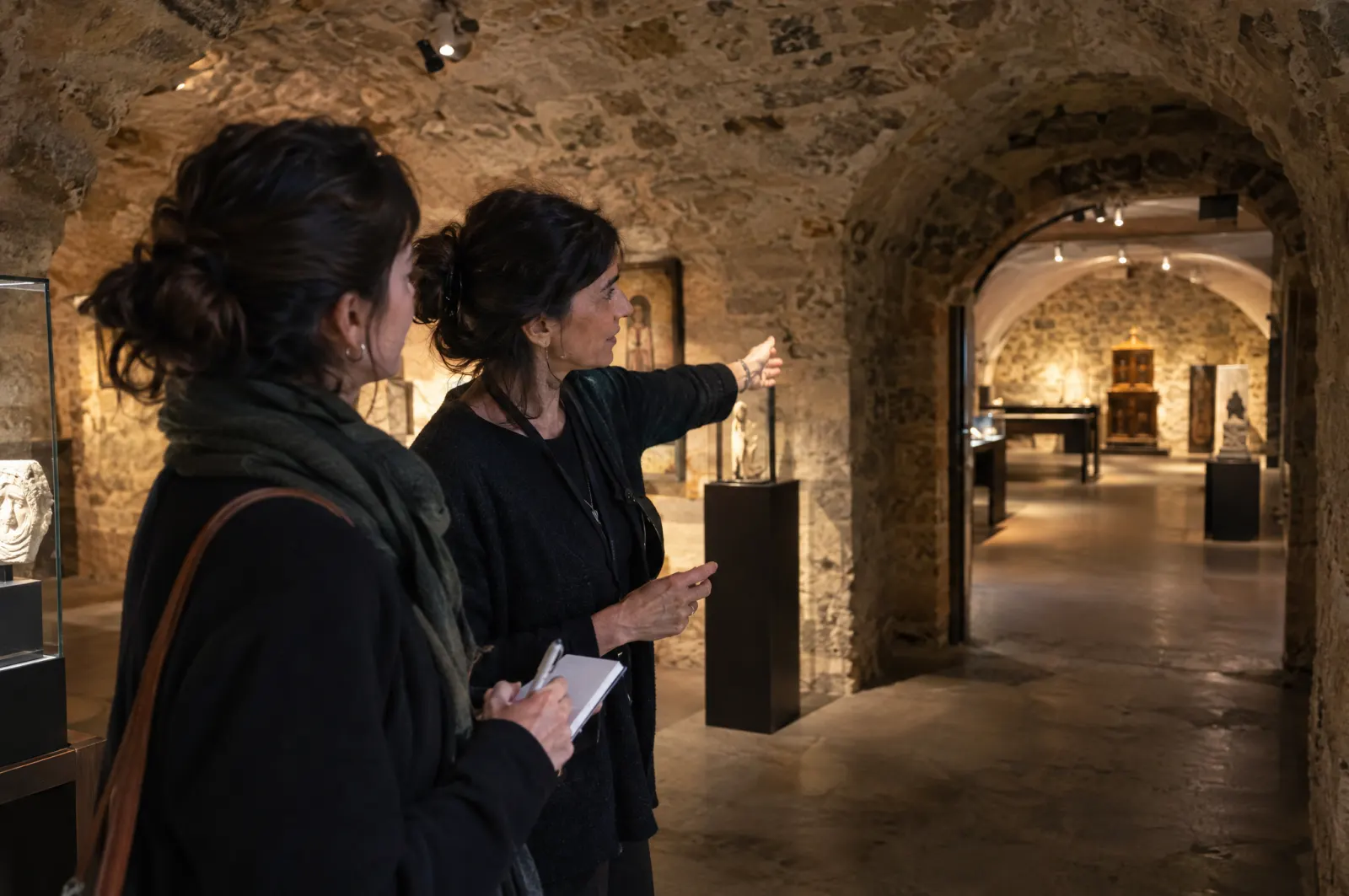
They follow the tour with a colleague, then find the room notes on their own. The manager sees what is validated and decides when they guide alone.
Museums and visitor sites
Every team, every season, the same instruction.
Tour route, room notes, languages, opening, visitor safety: Tsuno keeps what your team already knows and hands it to the right person at the right time.
Delivered pre-filled from your documents.
What you recognize
Visitors expect a tour that is right, whoever welcomes them that day.
Stories, room order, points of attention: nothing is written in one place.
Seasonal hires arrive with little lead time and must learn fast.
Versions drift apart depending on which guides carry them, and nobody knows which is current.
Opening, closing, evacuating a group: you rely on whoever was there.
A closed room, a late group: information flows poorly between teams.
An incident, a visitor remark, an oversight: the news arrives late, or never.
On site
They follow the tour with a colleague, then find the room notes on their own. The manager sees what is validated and decides when they guide alone.
The front desk asks who can take it. Tsuno answers with the guides trained on the German version, and the current notes.
The remark goes into the daily log at closing, gets assigned, and management finds it the next morning.
Your venue, in Tsuno
A venue has its spaces. Each space has its notes, instructions and language versions. Teams train on them.
Ask Tsuno
Fictional examples. You ask Tsuno from Tsuno or from your AI (ChatGPT, Claude, Mistral). Short, sourced answers, and Tsuno says when data is missing.
What Tsuno keeps for you
You approve what is written. Tsuno says it again to every team.
Key points, stories, instructions per room: approved content, dated, found by every guide.
Which version exists in which language, which one is current, and who is trained to deliver it.
A checklist per space, evacuation and visitor safety instructions within reach.
A path per role, front desk or guide, with skills validated by a person before the first solo tour.
Incidents, visitor remarks and oversights recorded, assigned and followed through to closure.
Staffing by role and by language, to cover every tour slot.
We already have a ticketing system.
Keep it. Tsuno does not sell tickets: it takes care of what happens once the visitor is inside. The tour, the languages, safety, and teams that change every season.
Yes, that is the starting point: tour route, room notes, procedures. Tsuno is delivered pre-filled from your documents, and you validate.
Each venue has its own spaces, notes and teams. Management sees all of them and can ask about one venue or every venue.
No. Tsuno connects the facts: training completed, checklists done, incidents. It rates and ranks no one. People decide.
Three documents from your venue are enough to see what Tsuno would tell your teams.
Trial with non-sensitive operational documents, and no personal data.